Seawall Repair
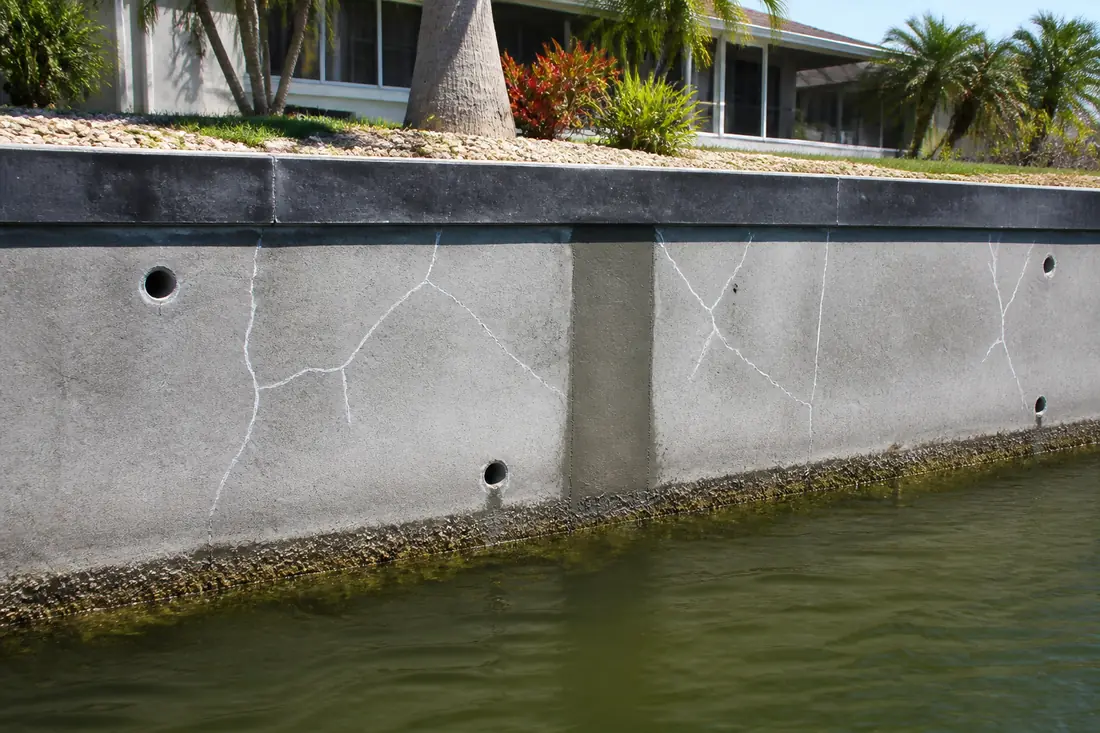
Cracked caps, bowing panels, open joints and soil washing out from behind the wall — assessed for cause, then repaired.
Free estimateDetails
Seawall repair, cap restoration and shoreline work built for Cape Coral canal walls, saltwater and storm surge.
Seawall repair, cap restoration and shoreline work built for Cape Coral canal walls, saltwater and storm surge.
Mon–Fri 7:00am – 5:00pm · Sat 8:00am – 1:00pm · Sun Closed
Straight through to a person, not a phone tree.
Tell us what is going on and we will get back to you with the next step.
The cause gets found before the wall gets patched
Cracking and settlement behind a seawall are usually symptoms of soil moving through it, not of the concrete itself failing. Where the water is getting through decides what the repair actually is.
Repair and replacement priced as separate answers
A wall with sound panels and a failed cap is a different job from a wall that has lost its footing. Both get assessed, and which one this is gets said plainly rather than defaulting to the larger scope.
Built for saltwater and tide loading
Canal walls sit in brackish water with a tide cycle behind them. Materials and fixings are specified for that exposure, because galvanized steel corrodes faster in salt spray and tidal conditions than in fresh water.
Permitting handled as part of the work
Inside Cape Coral city limits the City issues the marine improvement permit for seawall work. On saltwater canals that is not the whole picture — state approval through FDEP or a US Army Corps authorization under SAJ-91 can apply as well, which the City guideline requires except on fresh water. Which approvals apply is established before a scope is priced rather than discovered mid-job.
Seawall repair, cap restoration and shoreline work built for Cape Coral canal walls, saltwater and storm surge.
Most seawall repair in Cape Coral starts on the land side rather than the water side. When soil disappears from behind a wall it is leaving through something — an open joint, a failed panel seam, a cracked cap or a blocked weep hole — and the visible damage is usually downstream of wherever that is. Finding the path the water takes is what separates a repair that lasts from one that reopens in a season.
Repairs range from sealing joints and rebuilding a section of cap through to filling voids behind the wall and restoring the anchors that hold it upright. What a wall needs depends on whether the structure is sound and losing fill, or whether the structure itself has moved. Those are different jobs at very different costs, and which one applies is established before any scope is priced.
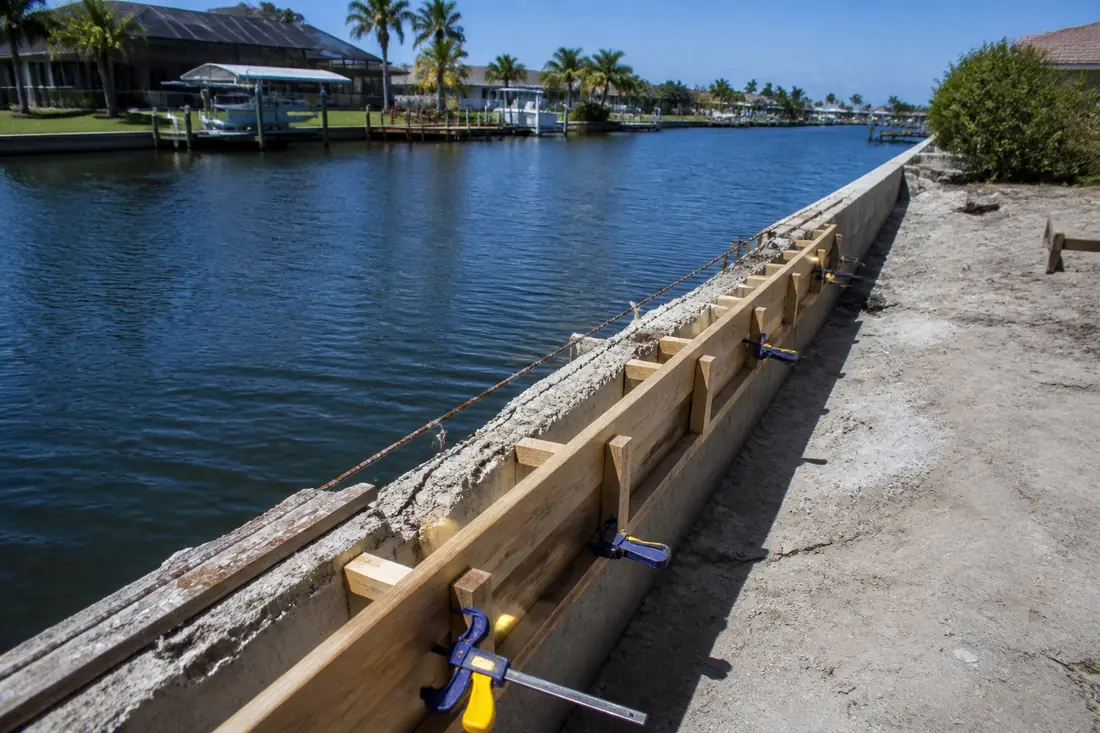
The cap is the concrete beam along the top of a seawall. It ties the panels together, carries whatever sits on it, and takes the worst of the weathering, salt spray and impact. It is commonly the first visible part of a wall to deteriorate, and because it is what everyone looks at, cap damage is often what prompts a call about a wall that is otherwise sound.
Cap work runs from sealing and patching localised cracks through to cutting out and re-pouring whole sections. Where reinforcement inside the cap has begun to corrode, the concrete around it lifts and separates as the steel expands, and patching over that treats the surface while the cause continues underneath.
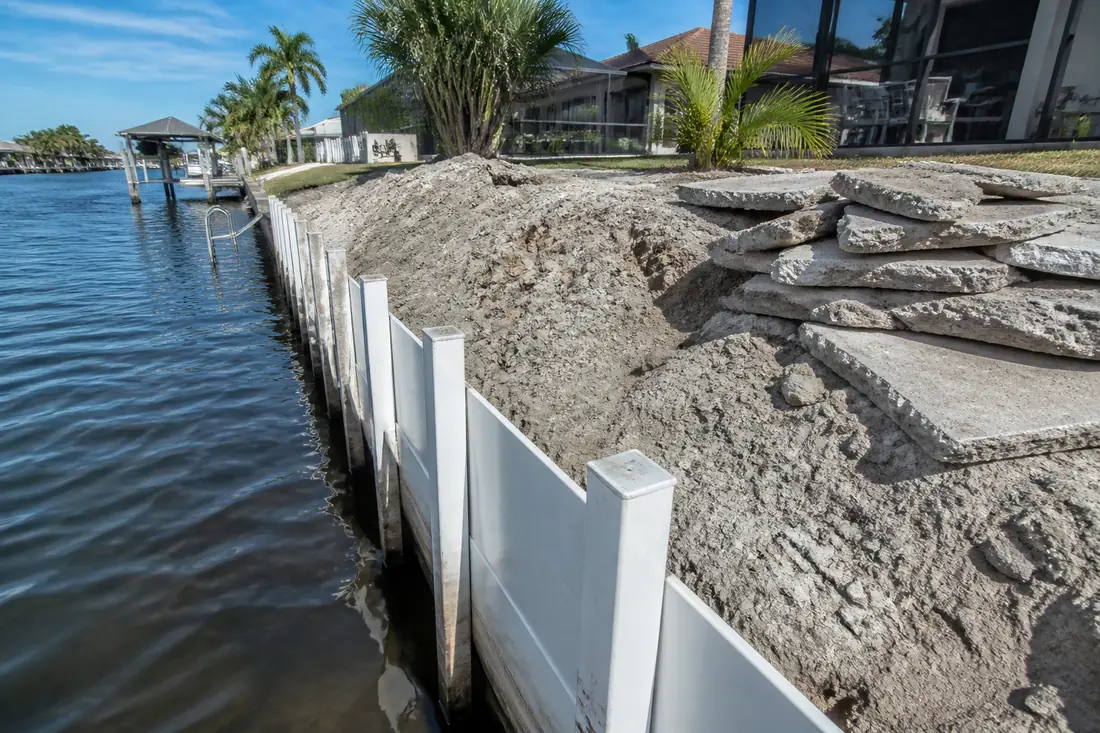
A seawall gets replaced when repairing it means fixing sound work to a structure that is still moving. Walls that have rotated at the top, lost the anchors holding them back, or been undermined at the toe fall into that category, and so do older walls where the reinforcement inside the concrete has begun to corrode and expand.
Replacement is planned around access as much as around the wall. Canal-front lots in Cape Coral vary in how equipment reaches the water, what sits close behind the wall, and how much of a pool cage, deck or mature planting has to be worked around. Those constraints shape the method and the price more than the length of the wall does.
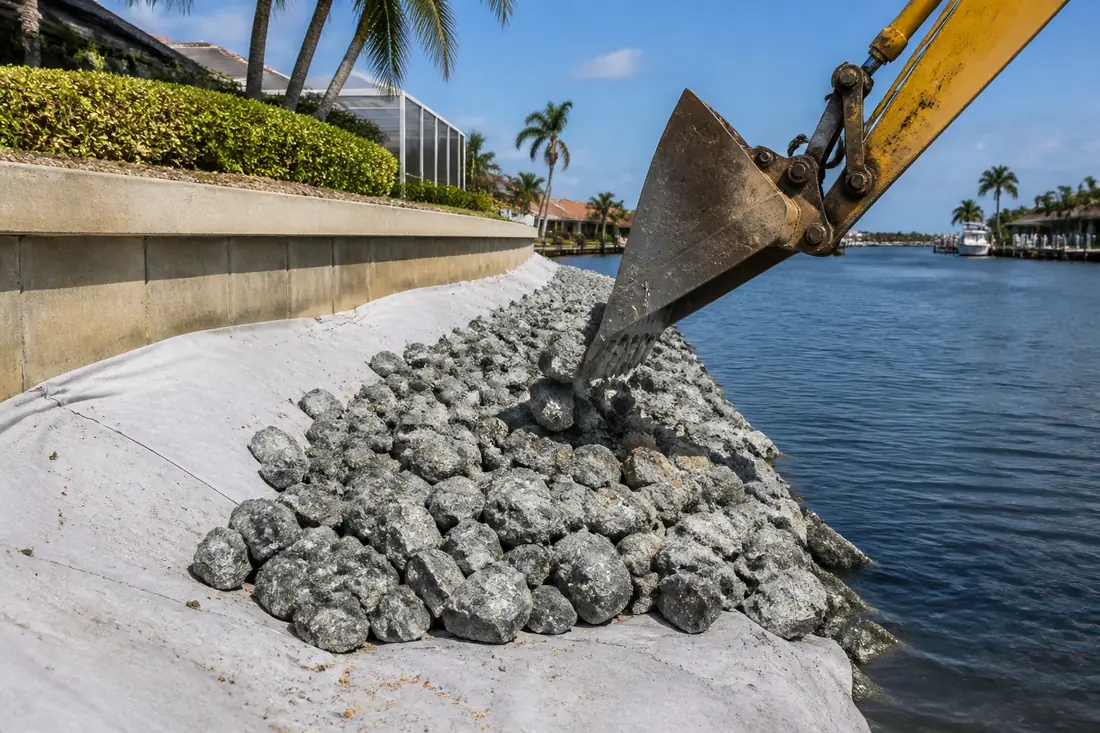
Riprap is graded rock placed against a shoreline or at the base of a seawall. It breaks up wave energy before it reaches the structure and protects the toe of a wall from the scour that undermines it. On a wall that is sound but exposed, it is often the difference between a long service life and a short one.
It is also used as an alternative to a vertical wall on shorelines where a sloped, permeable edge suits the site and the permitting better than a hard wall does. Whether that is an option depends on the waterway, on how much shoreline can be given up to the slope, and on what the approvals allow.
Cracked caps, bowing panels, open joints and soil washing out from behind the wall — assessed for cause, then repaired.
Cracked caps, bowing panels, open joints and soil washing out from behind the wall — assessed for cause, then repaired.
Full replacement where a wall has leaned, lost its footing or reached the end of its service life.
Cracked, spalling or separating concrete caps cut back to sound material and rebuilt.
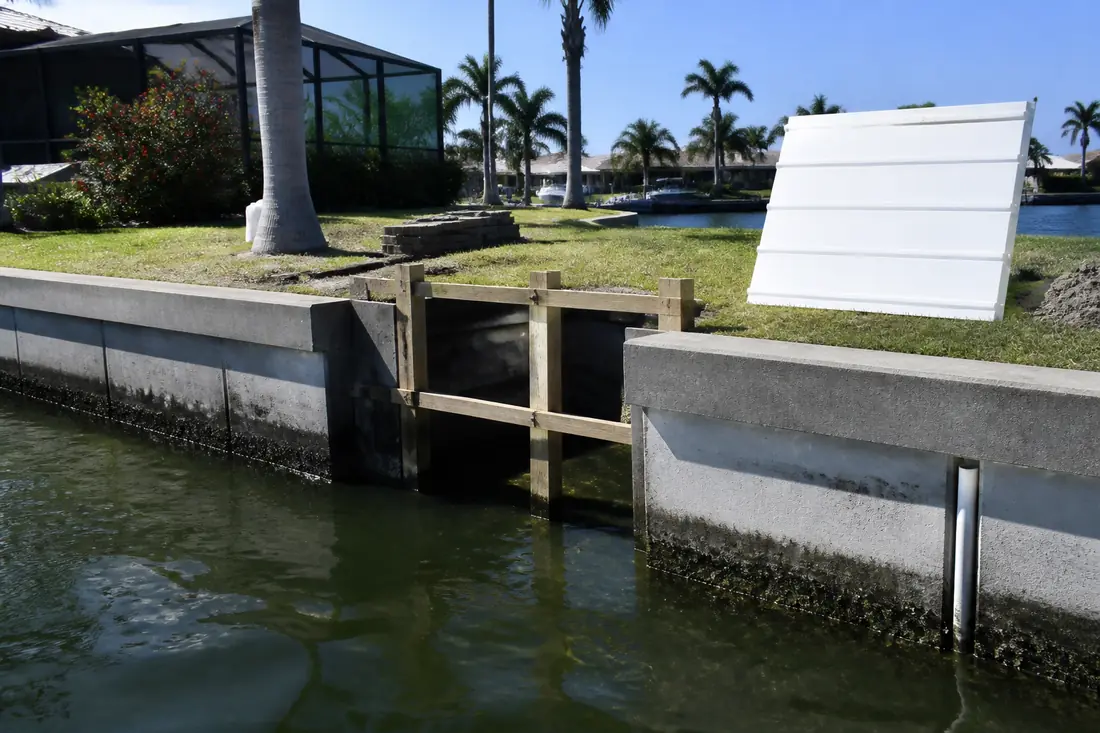
Cracked, bowing or separated wall panels replaced individually where the rest of the structure is sound.
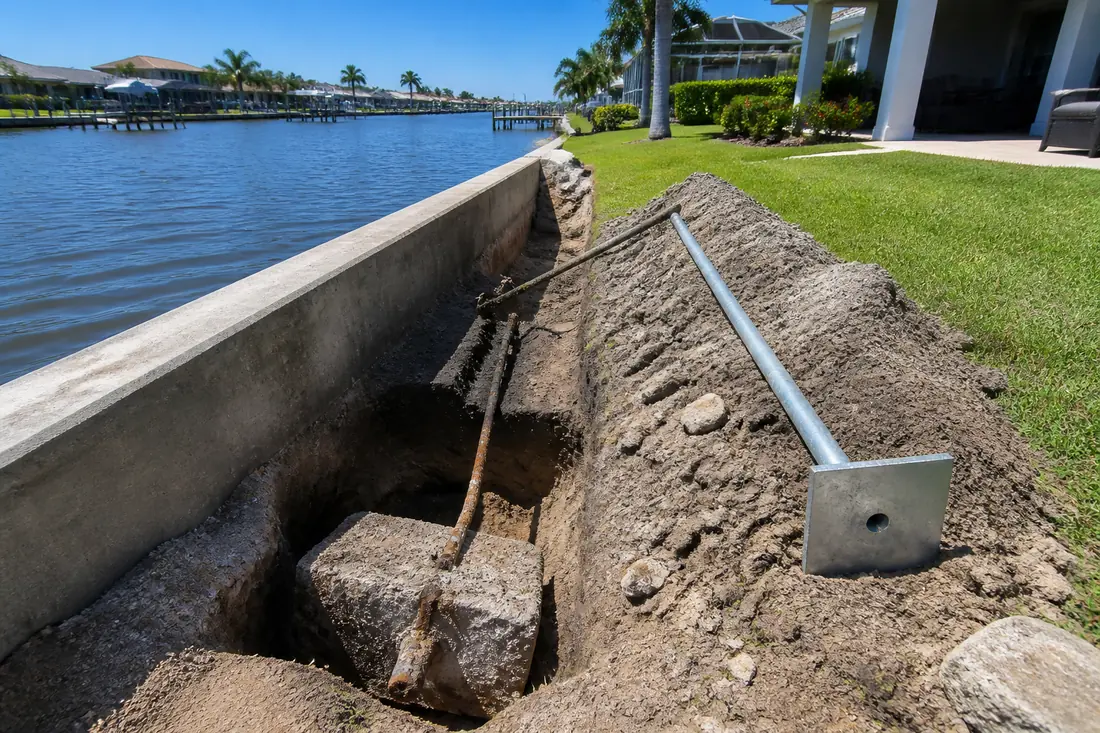
Restoring the anchors that hold a wall upright, where a wall has begun to lean or rotate at the top.
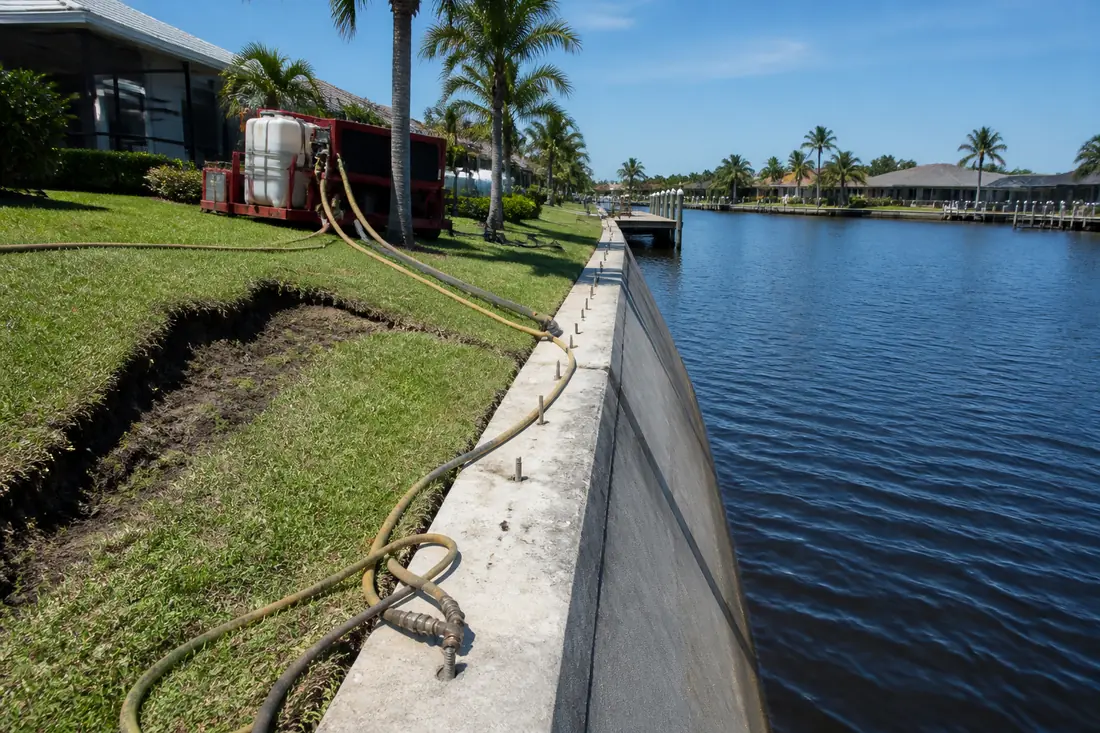
Filling the voids left when fill washes out behind a wall, and stabilizing the ground above them.
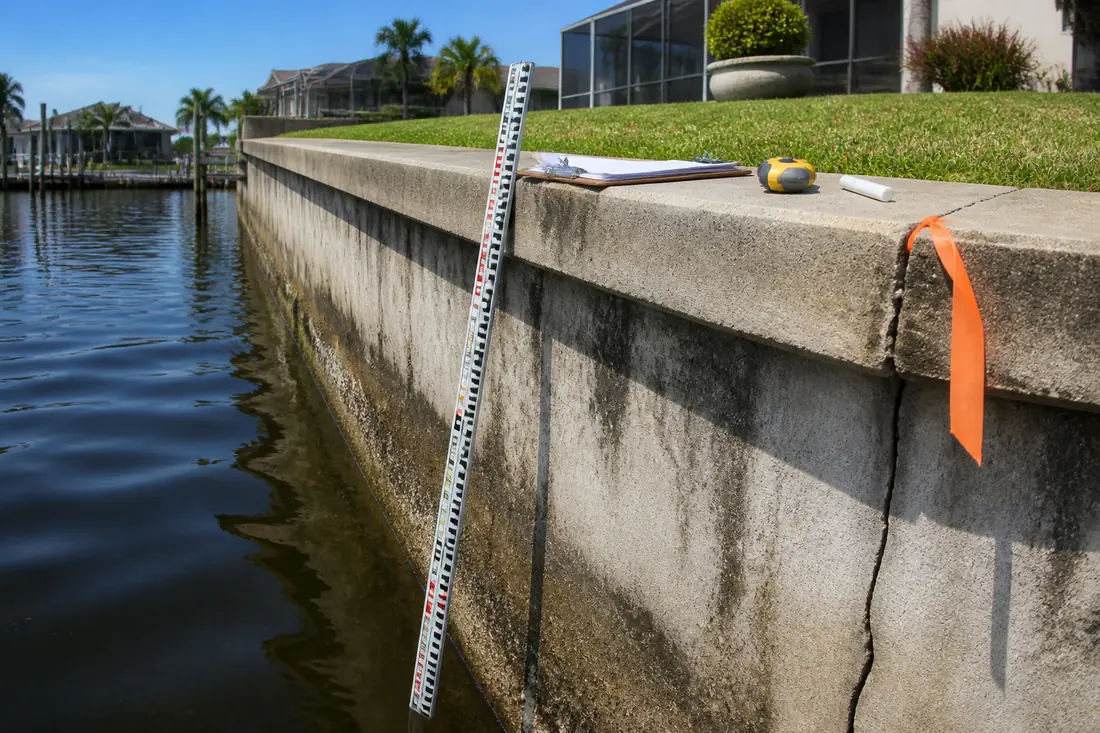
A written condition assessment of a wall — useful before buying a canal-front home, or before deciding on repair versus replacement.
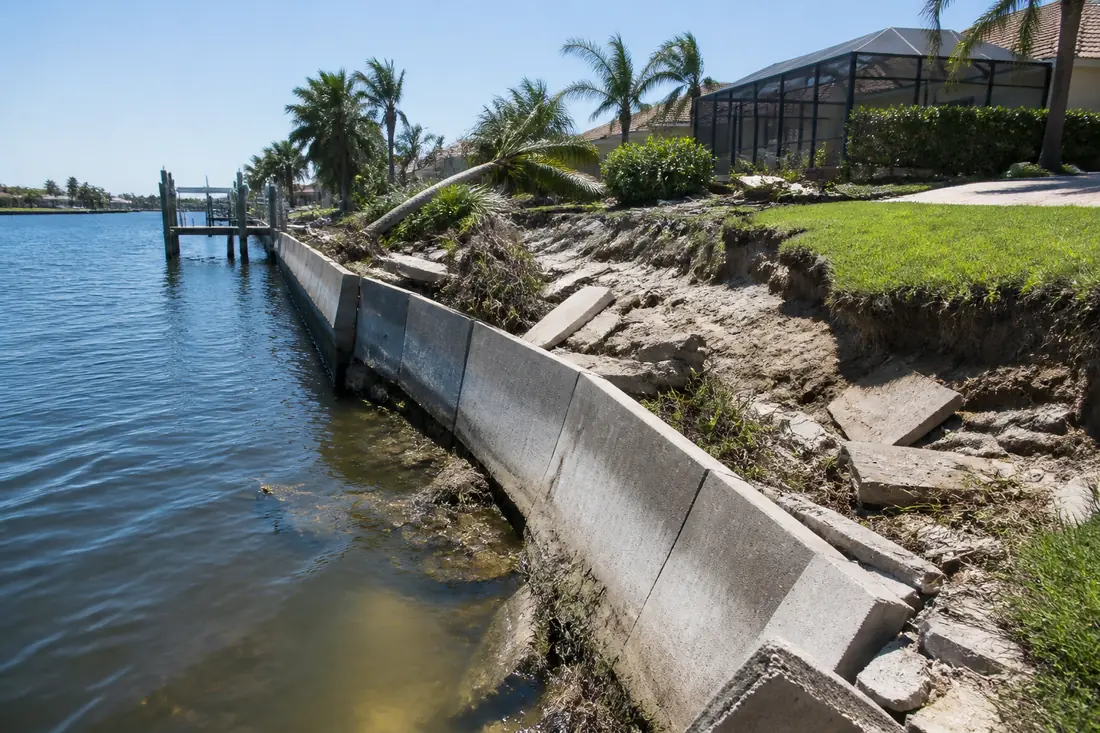
Assessment and repair after surge, high water or debris impact, including documentation for a claim.
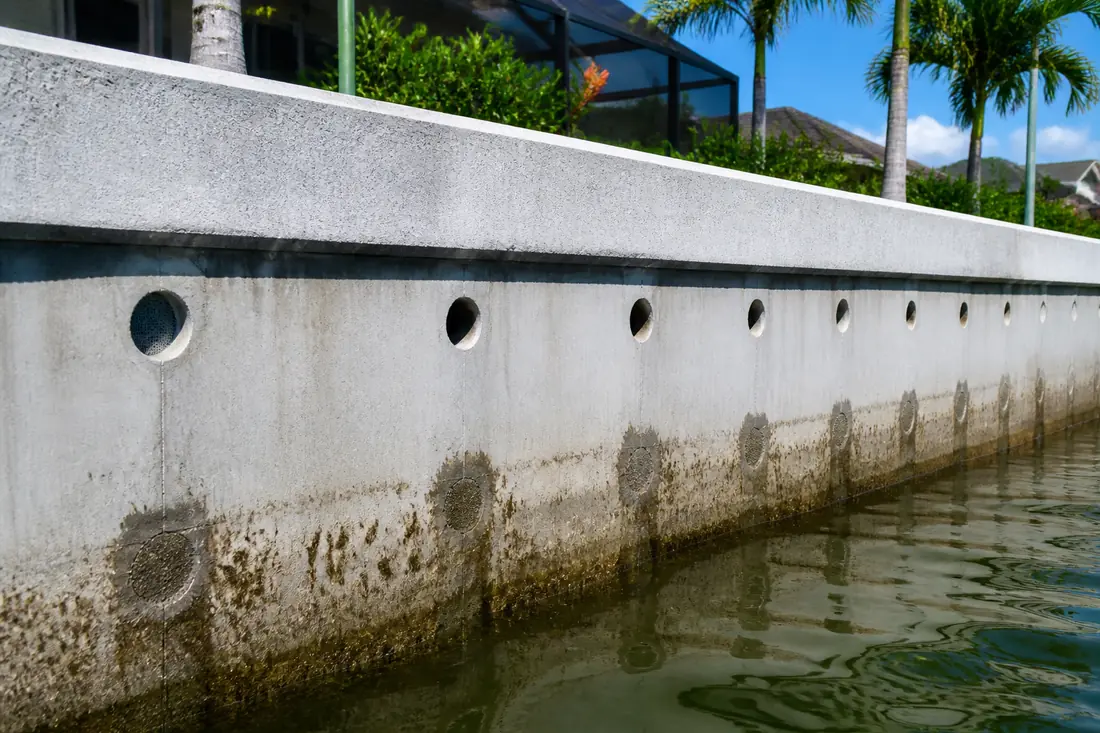
Restoring the drainage that lets water out from behind a wall, which is what keeps pressure off it.
Rock placed at the toe of a wall or along a shoreline to absorb wave energy and stop undermining.
Rock placed at the toe of a wall or along a shoreline to absorb wave energy and stop undermining.
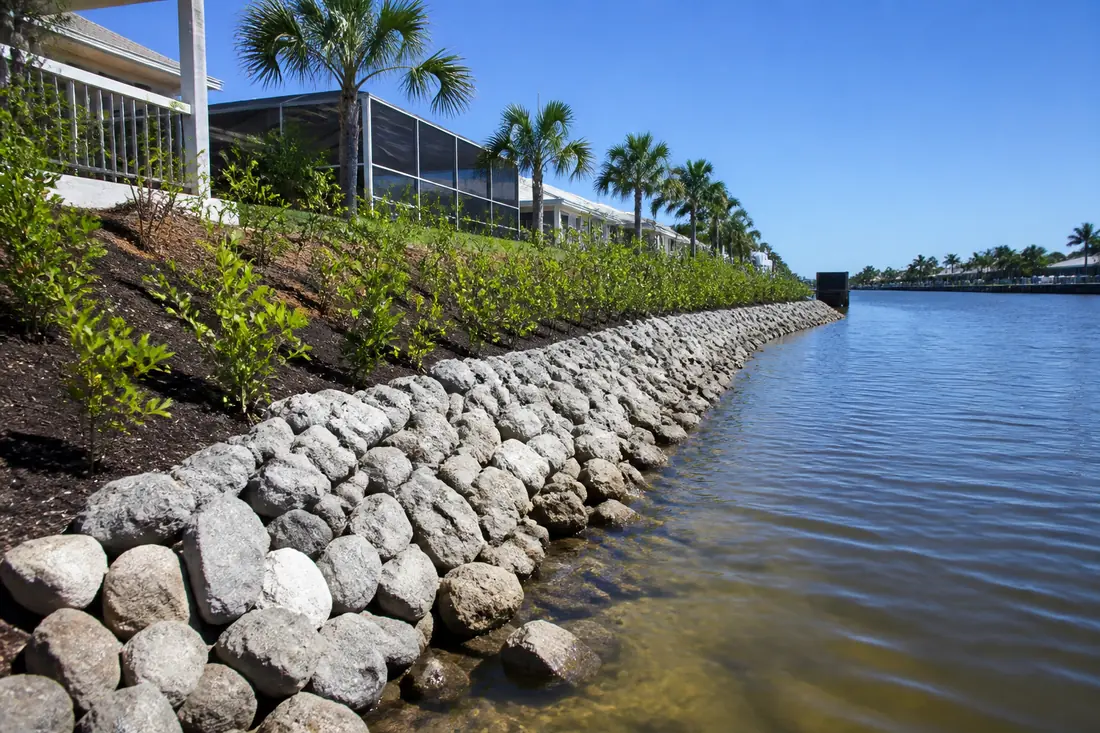
Stabilizing a shoreline that is losing ground, using the approach the site and the permitting actually allow.
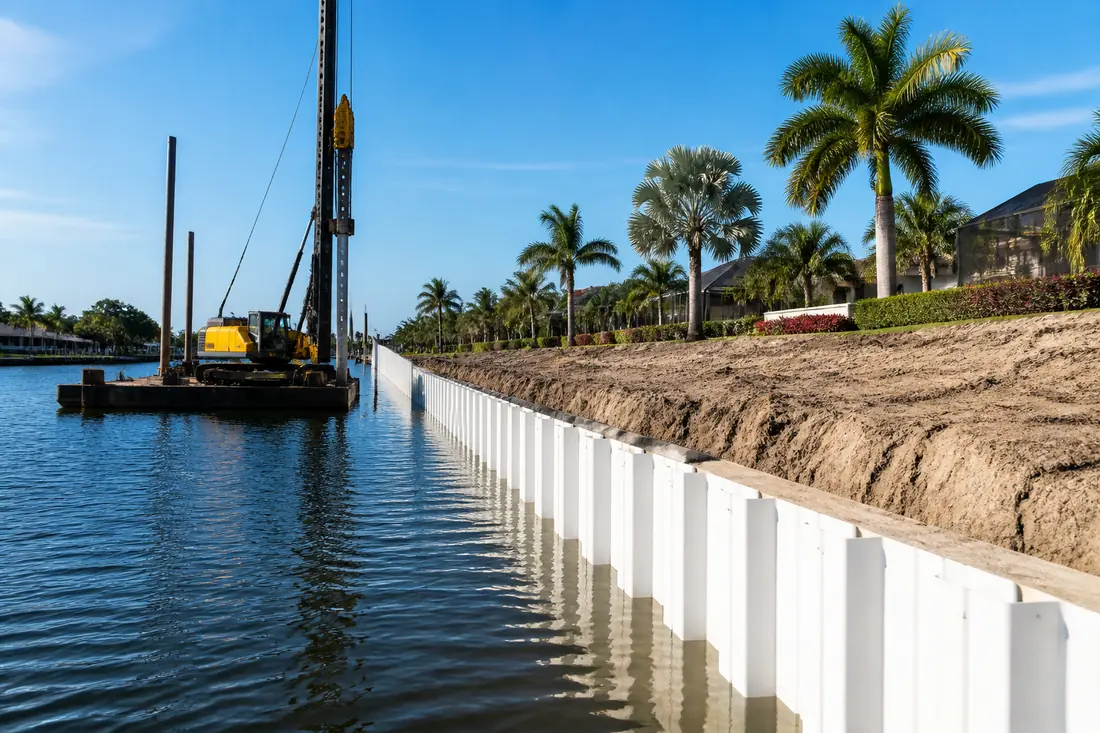
New wall construction on a lot without one, or where a shoreline is being converted to a hard edge.
New docks on canal and river frontage, sized around the vessel and the water depth rather than the lot width.
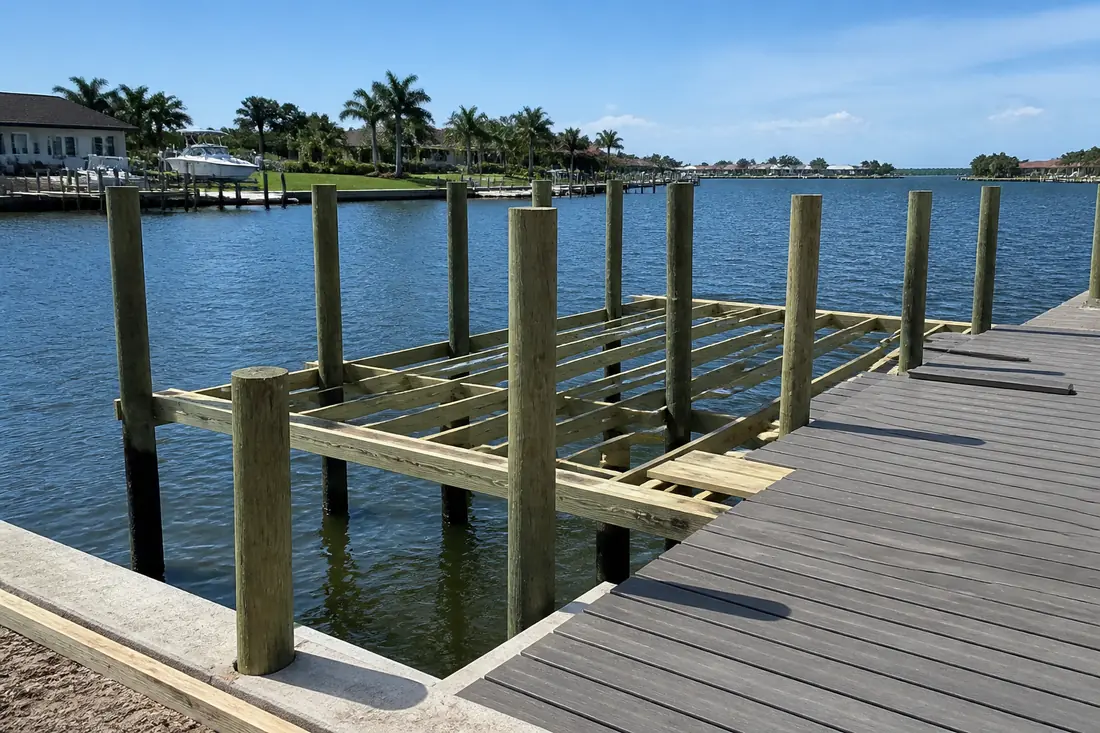
New docks on canal and river frontage, sized around the vessel and the water depth rather than the lot width.
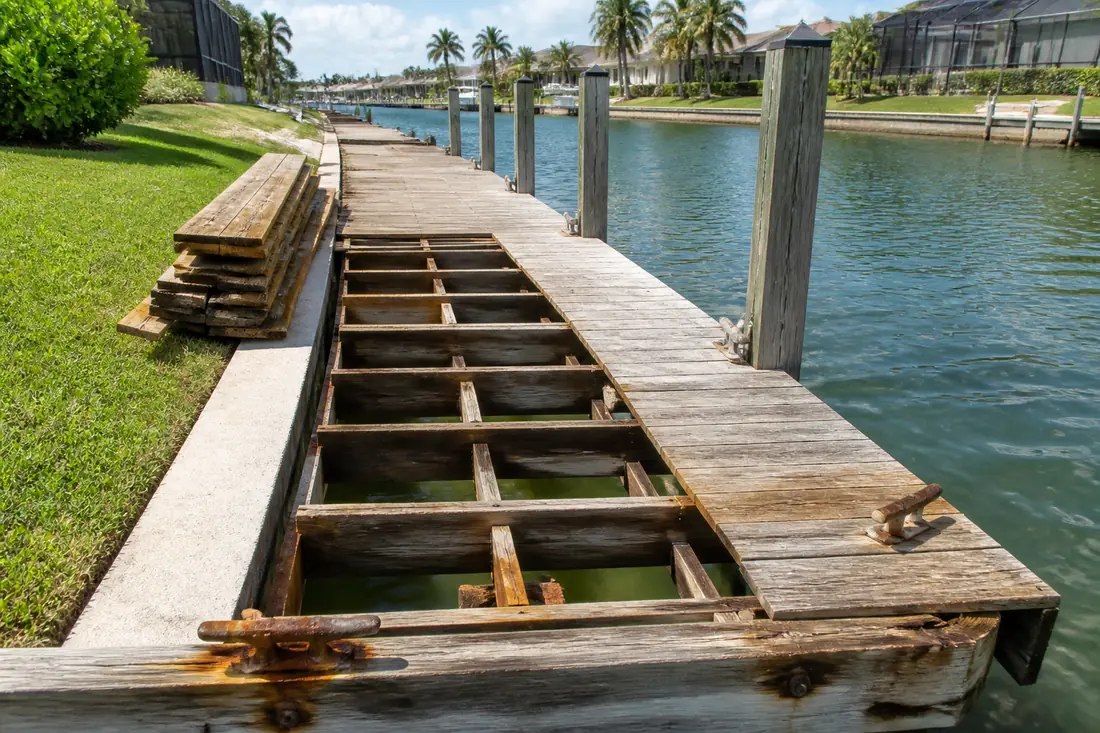
Decking, framing, piling and fixing repairs on docks that have weathered, worked loose or taken storm damage.
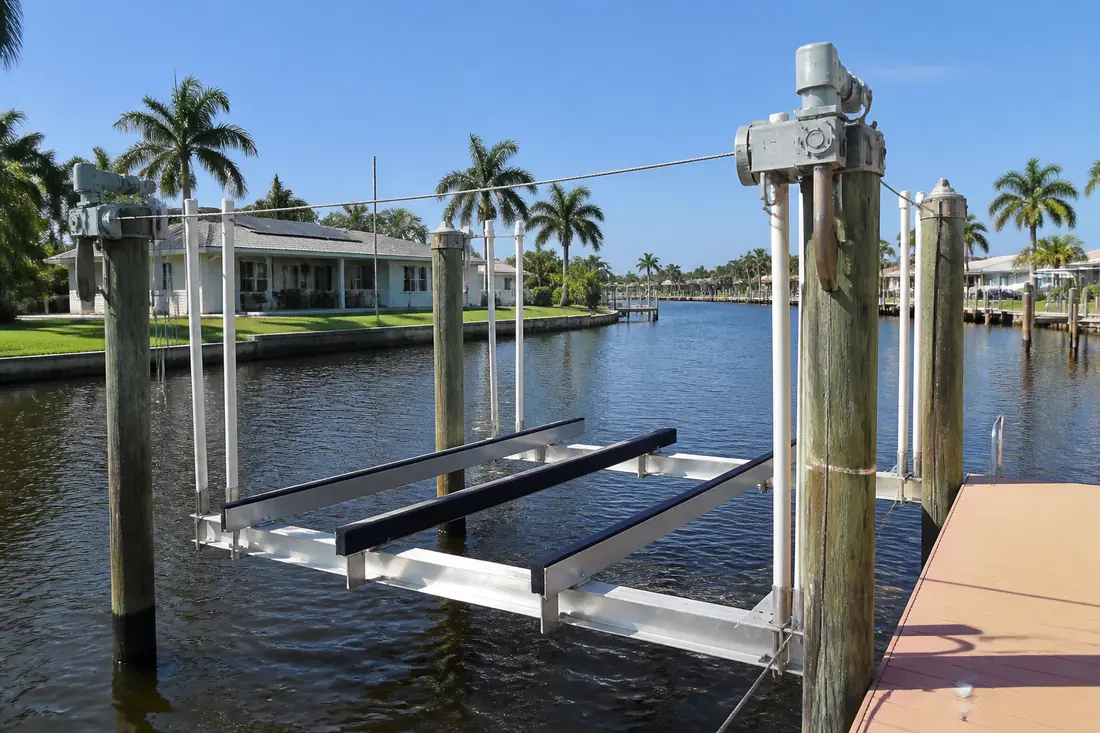
Lifts sized to the vessel and to what the seawall and pilings can actually carry.
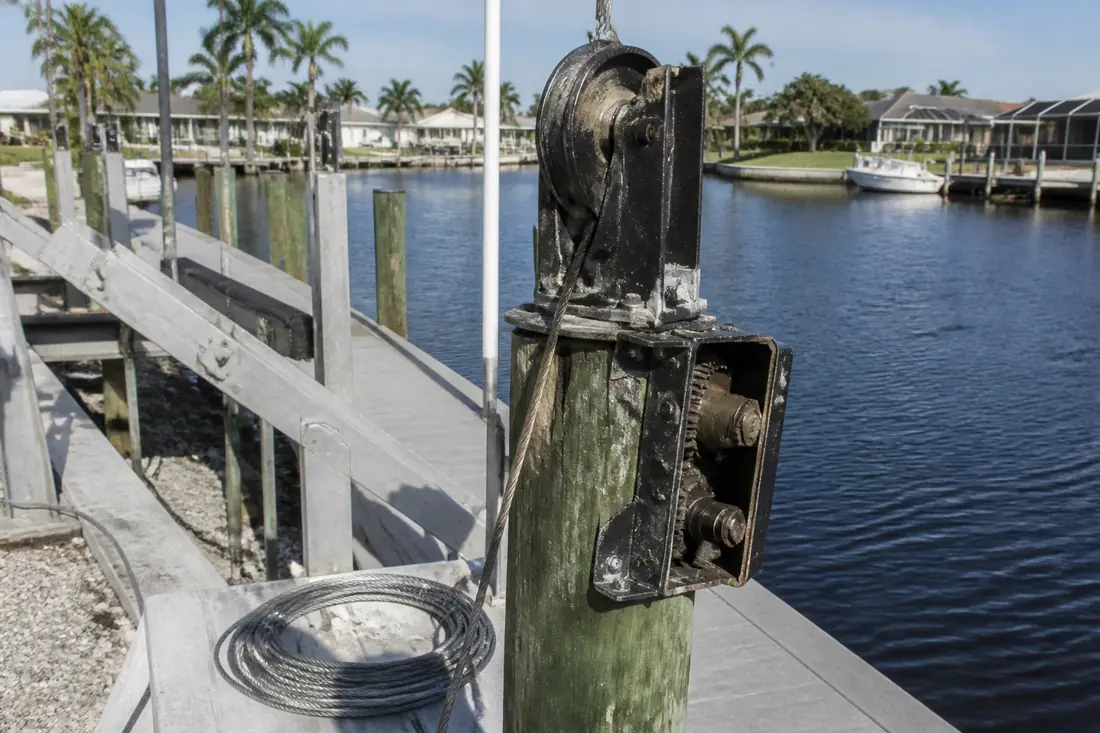
Cables, motors, gearboxes, bunks and piling repairs on lifts that have stopped running true.
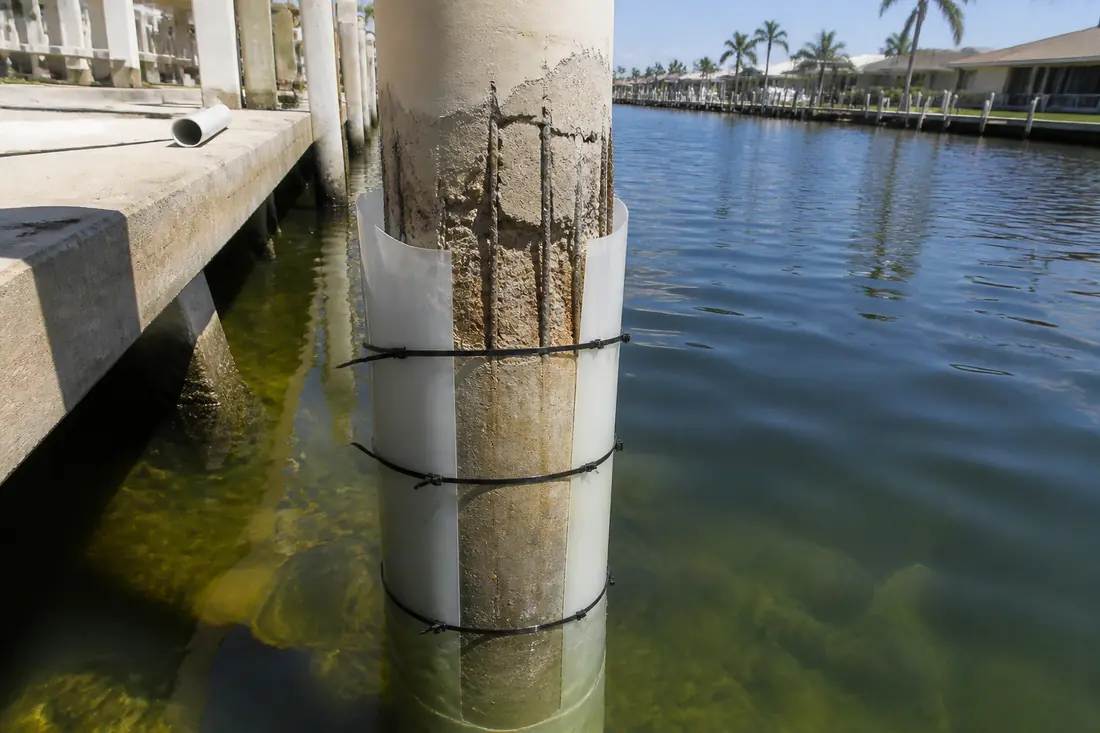
Repair, wrapping and replacement of dock, lift and mooring pilings that have deteriorated at the waterline.
Seawall, revetment and dock work for condominium associations, marinas and commercial waterfront property.
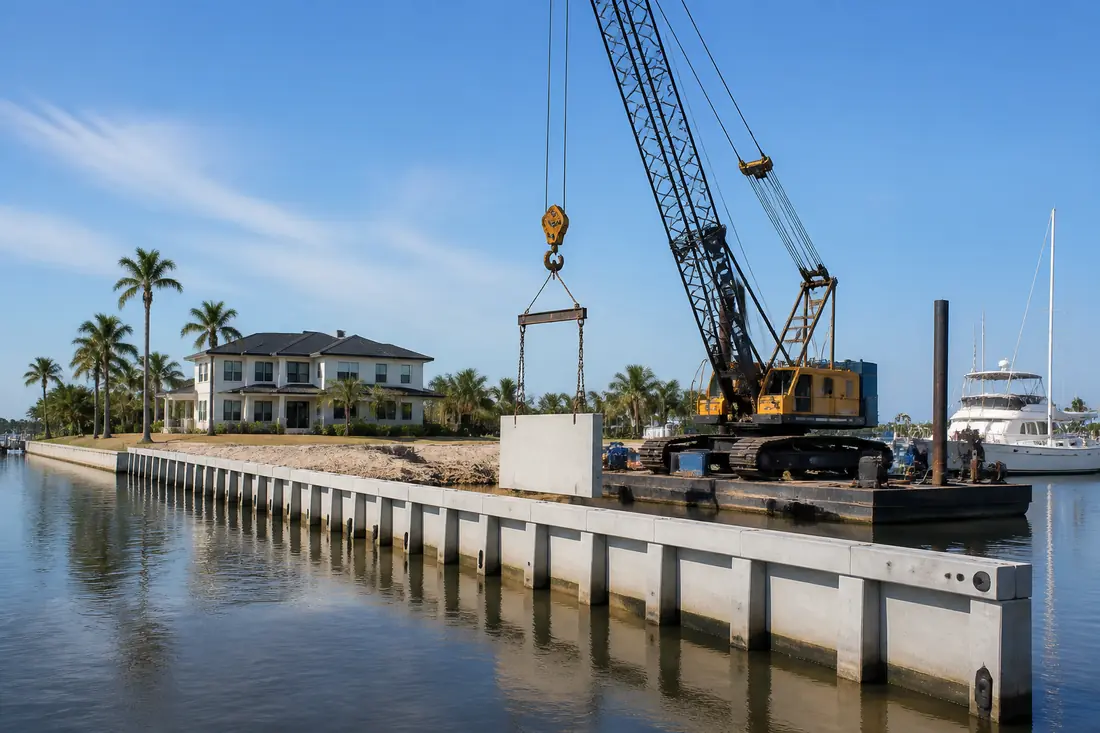
Seawall, revetment and dock work for condominium associations, marinas and commercial waterfront property.
Every service we offer, and what the work actually looks like.
Your request is read and sorted by urgency rather than dropping into a queue. Marking the job urgent on the form changes how quickly it gets looked at.
Work of this kind is assessed in person rather than quoted from a phone description, so the scope and the price are both settled before anything starts.
You see the options and the cost before any work starts, and a cheaper repair that genuinely solves the problem should be presented alongside the bigger one.
Removed material is hauled away and the site left clean. Cleanup belongs in the job rather than being an extra you have to ask for.
If any of this looks like your property, it is worth getting eyes on it before the next wet season.
A depression appearing in the lawn, or pavers and a pool deck starting to drop, usually means fill has been leaving through the wall and the cavity behind it has finally collapsed. The hole is the symptom; the opening in the wall is the cause.
Rotation at the top of a wall generally points at the anchors behind it rather than at the footing. Where the panels and base are still sound, re-anchoring is frequently an alternative to replacement.
Cracks with rust staining, or concrete that sounds hollow when tapped, usually mean the reinforcement inside the cap is corroding and expanding. Sealing early is a great deal cheaper than rebuilding later.
Weep holes are meant to pass water and hold soil back. Soil arriving on the canal side means the filter behind them has failed, and it is the same soil leaving the ground behind the wall.
Separated seams are the most common route for fill to escape a property. They are also among the cheaper things to address, provided they are dealt with before the ground behind has emptied.
A dock that has shifted or a lift that will not run level after adjustment may be following a seawall that is moving. Replacing mechanical parts against a structural cause gets expensive quickly.
What a wall is built from decides how it fails and how it gets repaired. Here is how the common systems on Southwest Florida canals compare, and what each is generally suited to.
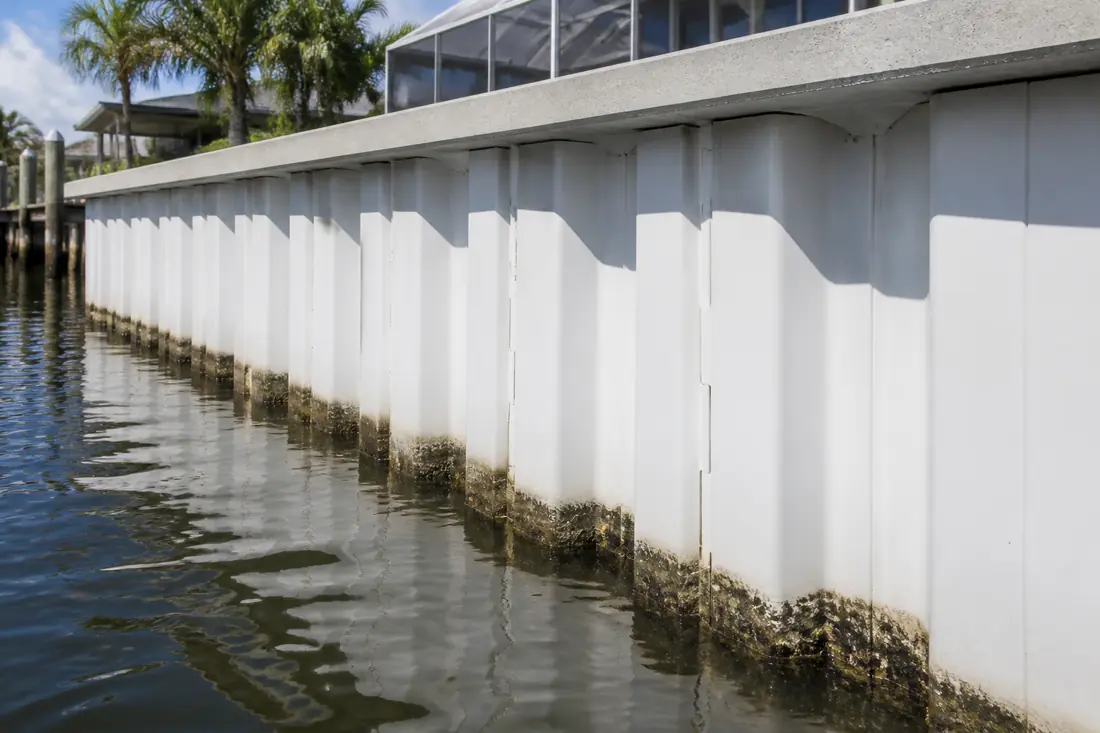
Interlocking sheet panels that do not corrode in saltwater and flex slightly rather than cracking when the ground behind them moves. Widely used on residential canal lots for both complete walls and individual panel replacement, and light enough to install where access behind the wall is tight.
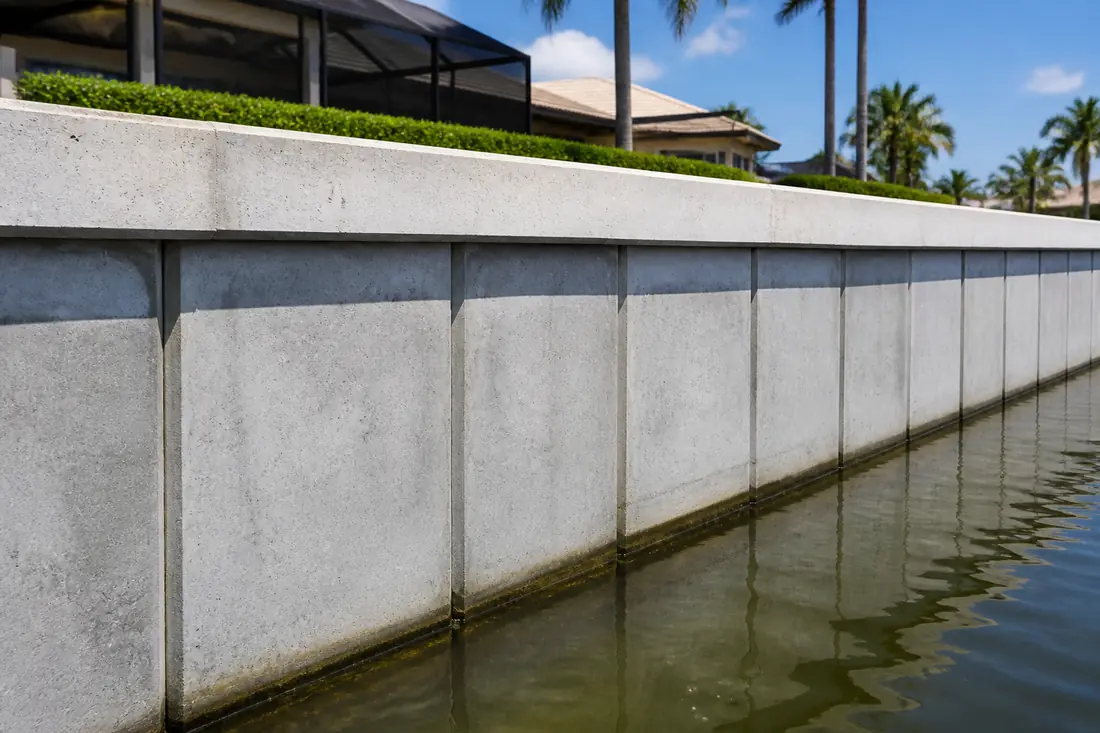
Heavier panels suited to greater retained heights and to long runs where a consistent appearance matters. Concrete carries load well and takes impact better than lighter systems, with the trade-off that the steel inside it is what determines service life on a saltwater exposure.
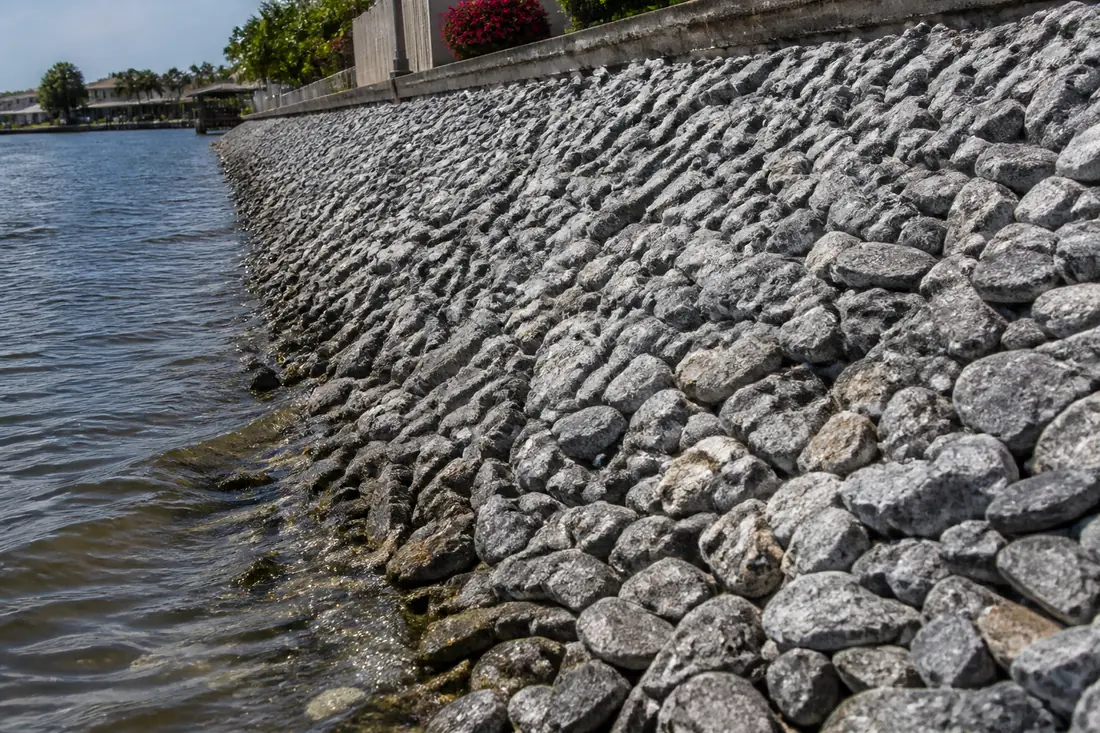
Graded rock placed on a slope or at the toe of a wall. It absorbs wave and wake energy rather than reflecting it, and protects the base of a structure from the scour that undermines footings. Takes up more shoreline than a vertical wall because it slopes.
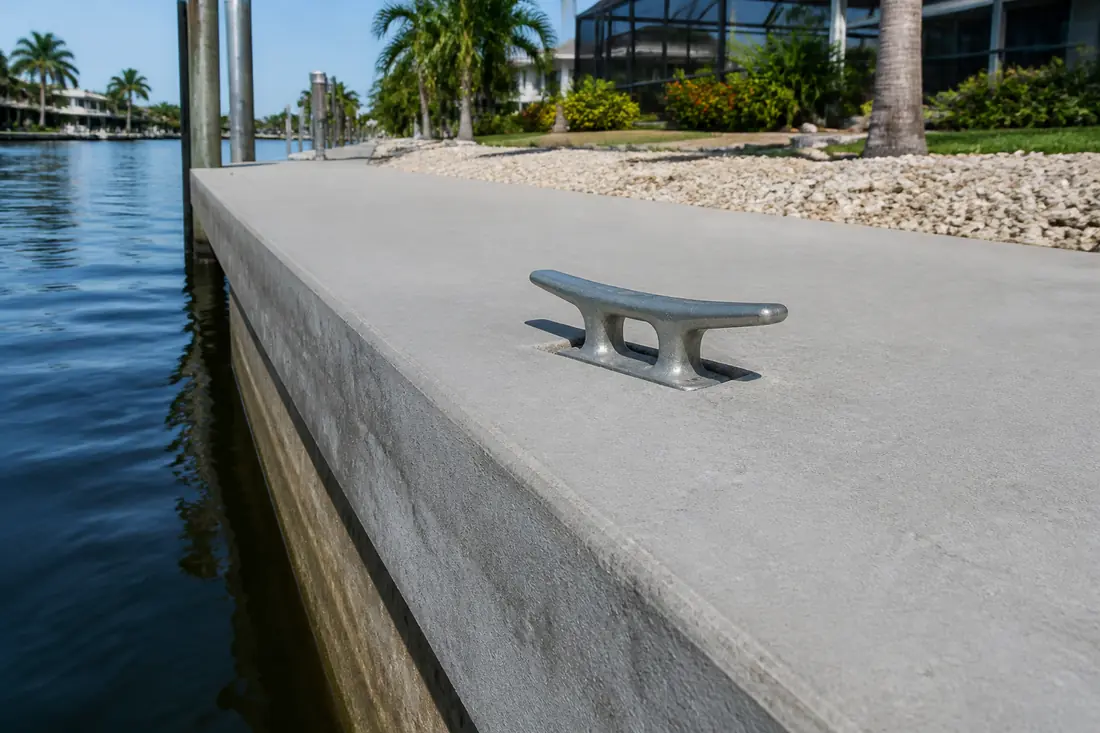
The beam along the top of a wall that ties the panels together and carries whatever sits on it. It takes the worst of the weathering and salt spray, which is why it is commonly the first element to show its age, and it can usually be rebuilt without touching the wall beneath.
The Florida Building Code sets minimum effective prestress for precast prestressed piles by length, and more prestress lowers the allowable stress. What that trade-off means for a seawall panel.
Read the guide →A Cape Coral seawall permit is signed off in six stages, not one. What each inspection is looking at, and the 20 NTU water-clarity condition most homeowners never hear about.
Read the guide →A state exemption does not settle the federal question. How Army Corps nationwide permits work, why they expire, and the rule that stops one being used twice on a project.
Read the guide →12 cities and the communities around them. Not sure if you are covered? Call and ask — we will tell you straight.
Southwest Cape · Southeast Cape · Pelican · Yacht Club
33904, 33914, 33990, 33991, 33993
Moody River · Waterway Estates · Suncoast Estates · Bayshore
33903, 33917
McGregor · Iona · Whiskey Creek · Downtown River District
33901, 33907, 33908, 33919
Matlacha Isles · Island Avenue
33993
Bokeelia · St. James City · Pineland · Flamingo Bay
33922, 33956, 33945
Sanibel River · Gulf Ridge · Shell Harbor · Sanibel Isles
33957
Captiva Village · Roosevelt Channel
33924
Estero Island · Bay Beach · Matanzas Harbor
33931
Punta Gorda Isles · Burnt Store Isles · Historic District
33950, 33955, 33983
Burnt Store Marina · Burnt Store Lakes · Burnt Store Meadows
33955
Estero River · Coconut Point · Pelican Sound
33928, 33967
Imperial River · Little Hickory Island · Bonita Shores · Barefoot Beach
34134, 34135
It varies more than most waterfront work, because two walls of the same length can need very different things. Sealing joints and rebuilding a section of cap sits at one end; re-anchoring a leaning wall, filling voids behind it or replacing it outright sits at the other. What drives the number is whether the structure has moved and how much fill has already gone, which is why an assessment comes before a price rather than after it.
The land side usually tells you before the water side does. Depressions in the lawn, pavers or a pool deck starting to drop, and soil appearing on the canal side of the weep holes all point at fill leaving through the wall. On the wall itself, look for the top leaning out toward the water, gaps opening between panels, and cracks in the cap with rust staining. Any of those is worth having assessed while it is still repair.
Ordinarily each owner is responsible for the wall on their own frontage, including the short return walls at the boundaries, but arrangements vary with the plat, the deed and any association documents that apply. Where a neighboring wall is failing and affecting yours, that is worth establishing from the documents rather than from what is generally the case. An assessment can report on the condition either side of a boundary regardless of who owns which.
Seawall work is generally permitted, and which authorities are involved depends on the waterway and on what is being changed. Some maintenance is handled straightforwardly at the local level; replacement, changes in height or alignment, and work on some waterways bring further review into it. Establishing which applies is part of scoping the work, and it happens before pricing because a permit condition can change the design.
That depends on what was repaired and on whether the cause was addressed. A repair that closes the route soil was taking, restores the fill behind the wall and gets drainage working again is doing something durable. A repair that fills a depression while the joint that emptied it stays open is not, and it commonly reopens within a season or two. It is a fair question to ask of any quote, and the answer should be about the cause rather than the material.
It depends on the wall and on the market, and it is worth getting a written condition assessment before deciding either way. A wall in good order is one less thing for a buyer to discount against; a wall at the end of its life is usually discovered during a buyer’s own inspection, and negotiating against an unknown tends to cost the seller more than a known figure would. Either way, having the condition documented puts the conversation on facts.
Call (239) 203-2929 or request a callback — whichever is easier.